
Metal container houses, also known as shipping container homes, have gained tremendous popularity in recent years due to their affordability, versatility, and eco-friendliness. Originally designed to transport goods across oceans, these steel containers are now being repurposed into innovative living spaces. One question that often arises for potential buyers and architects is: How durable are metal container houses in extreme weather conditions? This article explores the resilience of metal container homes, examining their structural integrity, insulation, weatherproofing, and considerations for harsh climates.
1. Understanding the Structure of Metal Container Houses
Metal container houses are typically made from corten steel, also known as weathering steel. Corten steel is specifically designed to resist corrosion and withstand harsh environmental conditions, which is why shipping containers can endure long voyages at sea without significant deterioration. Structurally, these containers are incredibly strong because their weight is supported at the corners rather than the walls. This design allows them to bear heavy loads, resist twisting, and maintain stability even under extreme forces. In terms of durability, a standard shipping container is engineered to handle significant wind loads, heavy rain, and even seismic activity during transportation.
2. Resistance to High Winds and Storms
One of the major concerns in extreme weather is wind damage. Metal container houses are surprisingly resilient to high winds due to their rigid steel frame and low center of gravity. In hurricane-prone areas, properly anchored containers can withstand winds that would easily damage conventional wooden or brick homes. Reinforcement techniques, such as welding multiple containers together, adding steel brackets, and anchoring the structure to a concrete foundation, further improve their wind resistance. Properly installed container houses can survive wind speeds comparable to Category 4 hurricanes, making them a viable housing solution in storm-prone regions.
3. Performance in Heavy Rain and Flooding
Another common extreme weather scenario is heavy rainfall and potential flooding. Corten steel's corrosion resistance helps prevent rusting from rain exposure, but additional protective coatings and paint layers can enhance longevity, especially in humid or coastal regions. To prevent water infiltration, careful attention must be given to sealing the container's joints, windows, and doors. Elevating the container on stilts or a raised foundation can mitigate flood risks and water damage. Additionally, proper drainage systems around the house help divert water away from the structure, ensuring that flooding does not compromise the integrity of the home.
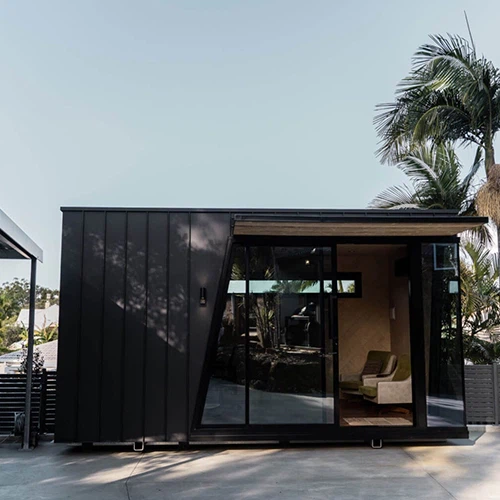
4. Handling Extreme Heat
Steel is a highly conductive material, which means that metal container houses can become extremely hot in direct sunlight if not properly insulated. This is particularly relevant in desert or tropical climates. To combat heat, builders commonly use insulation materials such as spray foam, rock wool, or polyurethane panels. Reflective roof coatings or green roof installations can also reduce heat absorption. By combining these techniques with proper ventilation and air conditioning, metal container houses can maintain a comfortable indoor temperature even during heat waves. The durability of the house is not compromised by heat, but thermal comfort is essential for livability.
5. Cold Weather and Snow Loads
In extremely cold climates, insulation is again key to maintaining a habitable indoor environment. Metal container houses can be retrofitted with high-performance insulation to prevent heat loss, condensation, and freezing pipes. Snow accumulation on rooftops is another consideration; because shipping containers are typically flat-roofed, they can hold snow if not designed with adequate drainage or sloped surfaces. Adding structural reinforcements or sloped roofs can prevent excessive weight from compromising the container's integrity. With these precautions, metal container houses can endure cold temperatures and heavy snowfall without sustaining damage.
6. Earthquakes and Seismic Resistance
Seismic activity is another extreme condition that may affect the durability of metal container houses. Due to their steel construction and corner-supported framework, container homes have a natural flexibility that allows them to absorb shocks better than rigid brick or concrete buildings. Reinforcing containers with cross-bracing, bolted connections, and anchored foundations further improves their seismic performance. While additional engineering considerations may be required for high-risk earthquake zones, properly designed metal container houses can survive moderate to severe tremors.
7. Fire Resistance
Metal container houses offer superior fire resistance compared to wooden structures. Steel does not burn, and with proper insulation that meets fire safety standards, container homes can withstand fire hazards better than traditional homes. However, high heat can weaken steel over time, so additional measures, such as fire-resistant coatings and materials, are recommended to enhance safety. While metal containers are not completely impervious to extreme fire conditions, they provide a significant advantage in fire-prone areas.
8. Maintenance and Longevity
Durability in extreme weather is closely linked to maintenance. While metal container houses are inherently strong, neglecting paint, sealants, and protective coatings can lead to corrosion over time, especially in coastal or humid environments. Regular inspections, repainting exposed areas, and ensuring that seals remain watertight will extend the lifespan of a container home. With proper care, metal container houses can last 25–50 years or more, demonstrating impressive resilience even under challenging conditions.
9. Advantages Over Traditional Construction
Compared to conventional homes, metal container houses offer several durability advantages:
Structural Strength: Steel construction resists bending, twisting, and external pressures.
Mobility and Modularity: Containers can be relocated or stacked, maintaining their integrity.
Rapid Construction: Prefabricated containers reduce the risks associated with prolonged on-site construction in adverse weather.
Adaptability: Reinforcements, insulation, and coatings can be customized for specific climates.
These features make container houses particularly appealing for areas prone to hurricanes, floods, or extreme temperature fluctuations.
10. Limitations and Considerations
Despite their advantages, metal container houses are not invincible. Poor insulation, inadequate anchoring, or substandard construction can compromise durability. Additionally, long-term exposure to coastal salt air without protective coatings can accelerate corrosion. Builders must also address condensation, which can lead to mold growth if interiors are not properly ventilated. Understanding the local climate and consulting with experienced architects or engineers is essential to maximize durability and safety.
Conclusion
Metal container houses are remarkably durable in extreme weather conditions, thanks to their steel construction, corner-supported design, and adaptability. With proper insulation, anchoring, waterproofing, and maintenance, these homes can withstand high winds, heavy rain, snow, and even moderate seismic activity. While attention to design details and local climate considerations is crucial, container houses offer a resilient, sustainable, and versatile housing solution for modern living. Whether in storm-prone coastal areas, hot desert regions, or snowy mountain environments, metal container homes combine strength, flexibility, and longevity, proving that they are a viable alternative to traditional residential construction.
Investing in a metal container house is not just a statement in modern architecture-it is a practical choice for durability and safety in the face of increasingly extreme weather patterns. Proper planning, high-quality materials, and attention to environmental factors ensure that these homes remain a strong and reliable shelter for decades to come.